
Tips and Tricks for Laser Processing of Wood

-


Laser wood is not the same as laser wood
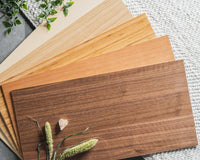
Not every wooden board is automatically suitable for laser cutting. The glue, layer structure, and material quality are crucial. High-quality laser wood ensures cleaner cuts, less waste, and more reliable results.
-


Avoid scorch marks when laser cutting wood
Smoke marks during wood laser engraving are caused by burnt material, smoke, and heat exposure, and are usually a combination of wood type, laser settings, and environment. They can be significantly reduced by using suitable wood, lower power at higher speed, properly adjusted focus, well-regulated air assist, and effective extraction. Protective films also help keep the surface clean. Completely avoiding smoke marks is hardly possible – the goal is controlled, consistent results with as little rework as possible.
-


Wooden Cake Topper – Which Material Is Suitable and What Should You Pay Attention To?
Wood cake toppers are a stylish and personal addition to any cake. Precious HDF is especially suitable because its fine, uniform texture allows for clean cut edges and precise details. Additionally, it offers a wide variety of different wood looks. Alternatively, poplar plywood or Smoothy Ply can also be used – the important thing is to choose panels that are as warp-resistant as possible. When designing, be sure to pay attention to sufficiently stable connection points and avoid overly delicate elements. After laser cutting, careful finishing of the edges is recommended, for example with fine sandpaper or a bit of isopropanol to remove scorch marks. For use in the cake, the insertion area should be wrapped with cling film. With the right choice of material, clean workmanship, and some planning, you can create a high-quality and safe cake topper. -

What to do if the wood warps during laser cutting?
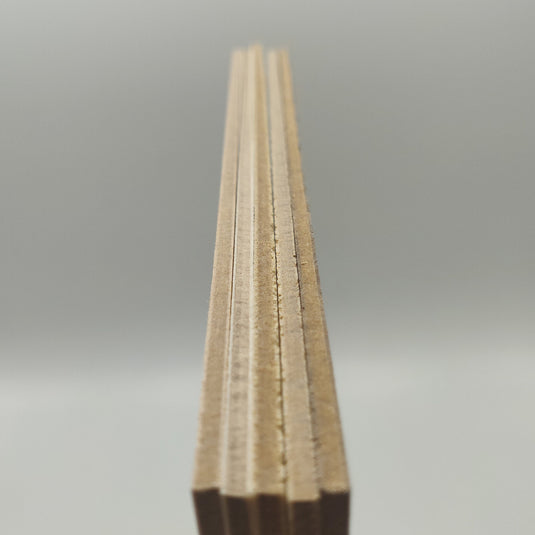
When laser cutting, especially thin wooden panels often warp, leading to inaccurate cuts and damaged projects. The cause is usually fluctuations in moisture and temperature that deform the wood. To prevent warping, wood should be stored properly upon receipt: flat, dry, and on a level surface with spacers for air circulation. A constant humidity of 40–60% is ideal, and the wood should acclimate for several days before processing. Warped panels can be straightened by weighing them down. When laser cutting, it also helps to secure the wood with magnets or clamps to prevent warping from the laser heat. Additionally, reducing the cutting speed and dividing the cut into several thin passes decreases heat exposure. This ensures a precise, clean cut without warping.
-

The most common mistakes when laser cutting wood – and how to avoid them
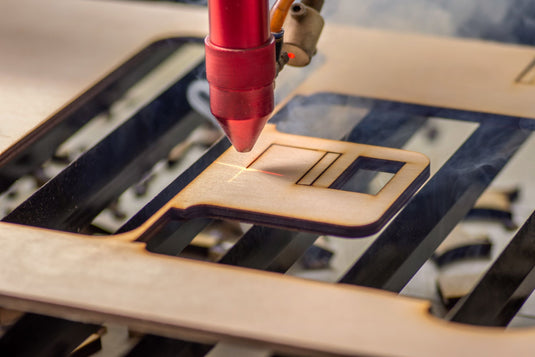
When starting to laser wood, you often face unexpected problems: sooty edges, messy engravings, or warped workpieces are common. Many of these issues can be easily avoided. In our practical article, we show you what really matters – from the correct focus setting to choosing the right wood and ensuring optimal ventilation. Whether you’re a beginner or advanced user, these tips will make your next laser project cleaner and more professional.
-
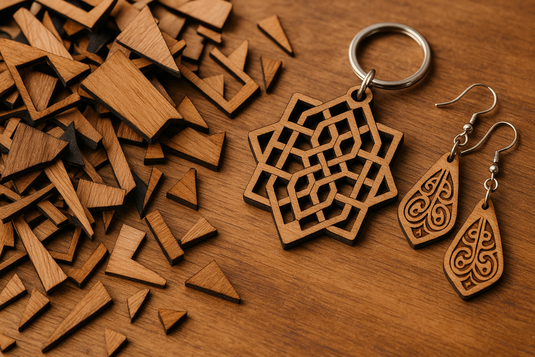

Zero waste with wood scraps – What to do with offcuts & small pieces?
Wood scraps generated during production, in workshops, or schools are often considered waste but offer many opportunities for sustainable reuse. Small pieces of wood are well suited for making keychains, magnets, or wooden jewelry, which can be customized and used as gifts or items for sale. Additionally, schools and MakerSpaces appreciate wood scraps to use them for creative projects and educational purposes. Joining different wood scraps into patchwork wood panels also creates unique materials for further creative work. In this way, wood scraps actively contribute to resource conservation, sustainability, and community support through creative use.
-
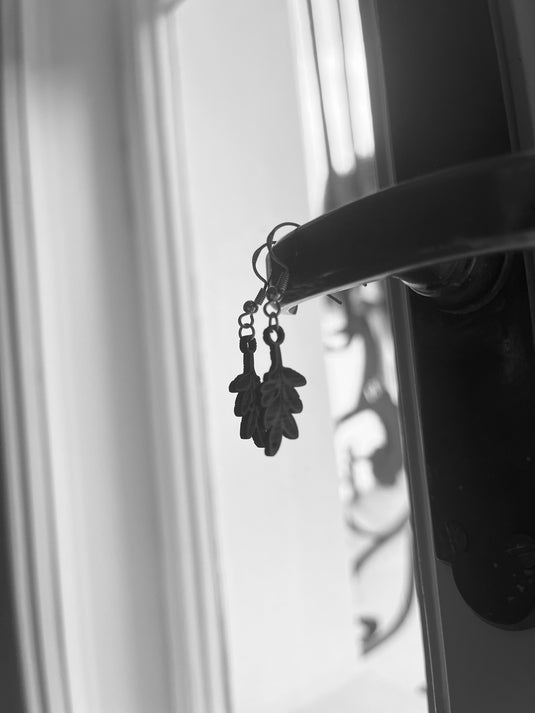

Laser-cut wooden jewelry – Tips for lightweight and elegant pieces
Precious Plywood is an ideal material for handmade jewelry – whether earrings, necklaces, bracelets, or anklets. It is stable, yet pleasantly lightweight and can be precisely processed with a laser. Its fine texture makes it especially suitable for delicate designs with high wearing comfort.
The size and shape of the jewelry pieces are a matter of personal taste – what matters is that they look harmonious and are comfortable to wear. Rounded edges and good weight distribution further increase comfort. A finish with natural oils or waxes protects the wood, highlights the grain, and makes the jewelry durable.
-


"What makes good laser wood?" – What to look for in wood for the laser
Not all wood is the same – especially when laser cutting, the choice of material makes all the difference. In this article, you’ll learn what really matters for good laser wood: from uniform grain to high-quality gluing to toxin-free processing. For clean cuts, precise engravings, and perfectly successful projects.
-
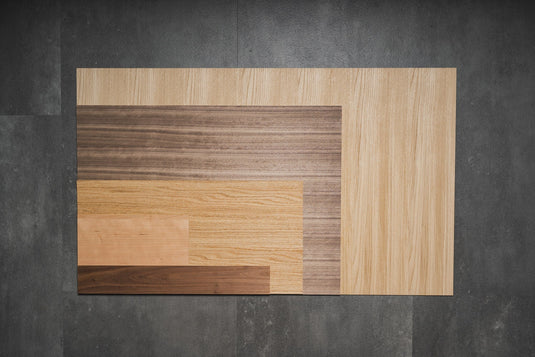

Which wood for which purpose?
Whether delicate engraving or precise cutting – choosing the right wood is crucial for a successful laser project. In this guide, you will learn which types of wood are especially suitable for which applications. From poplar to beech to fine veneers: discover the differences and find the ideal material for your next creative endeavor!
-
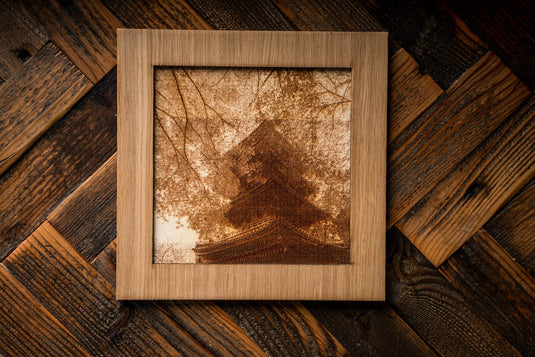

Laser engraving photos on wood – immortalize unique memories in natural material
When laser engraving photos on wood, a laser permanently and intricately burns the image into the surface. For this, the photo is first converted into a high-contrast black-and-white image and processed using a special dithering technique.
Light, finely grained woods such as Sycamore, Birch, or Beech are best suited. After engraving, residues can be removed and the wood can be refined with oil or varnish.
The result is personal, durable unique pieces – ideal as gifts or keepsakes.
-
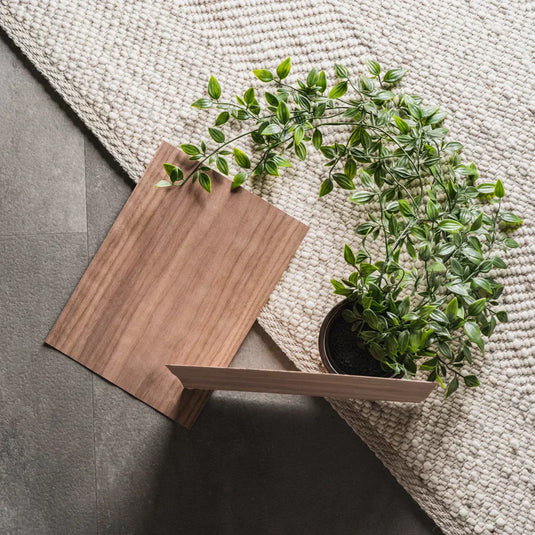

Craft veneer: The perfect material for creative DIY projects
Craft veneer is a thin, flexible wood material that is ideal for a variety of craft and decoration projects. It consists of real wood layers and is available in different... -
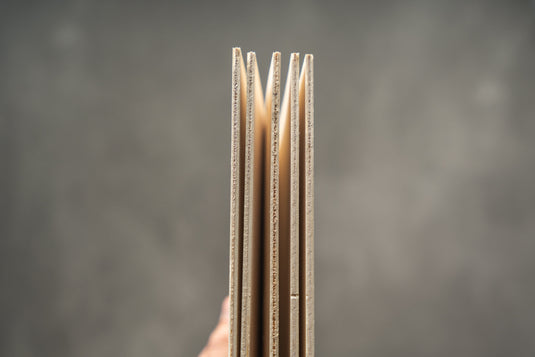

Thin Wood Panels: Properties, Applications, and Advantages in Laser Processing
Thin Wood Panels: Properties, Applications, and Advantages in Laser Processing Thin wood panels are an indispensable material in many craft and industrial fields. Whether for model making, furniture pieces, or...


